Glutathione Injections vs. IV: What It Does and Who It's For
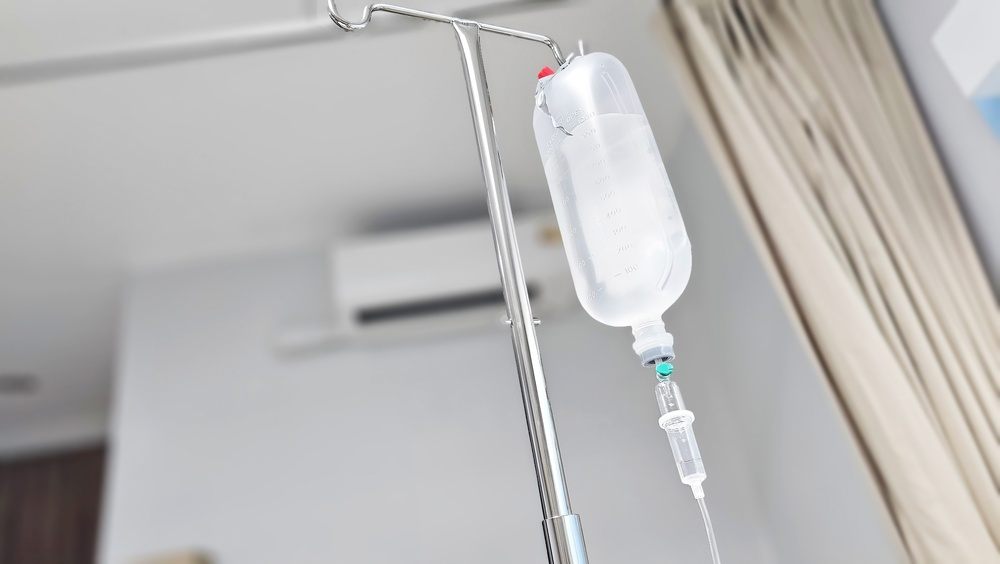
You have probably seen the pitch: a quick shot or a drip of the body's "master antioxidant," promised to brighten skin, lift energy, and speed recovery. Glutathione injections have moved from specialty clinics onto mainstream wellness menus, and the marketing has outpaced the science.
Key Takeaways
- Your body already makes glutathione. Adding more through glutathione injections, an IV, or a supplement is a separate question from whether you need it.
- The best human data is on oral glutathione, and it comes from small trials. Evidence for shots and drips in healthy adults is thin.
- Skin-lightening claims are the loudest and the least settled. Reviews call the evidence inconclusive for oral use and too limited to support routine IV use.
- Source matters. In August 2026, the FDA reported at least 30 patients with adverse events after compounded IV glutathione made from a supplement-grade ingredient.
- There is no standard schedule. A licensed provider should review your history, medications, and goals first, and explain how any plan will be reassessed.
What Is Glutathione, and What Does It Do?
Glutathione is a small molecule built from three amino acids: glutamate, cysteine, and glycine. Your cells make it on their own, and researchers describe it as the most abundant endogenous antioxidant, with roles in managing oxidative stress and supporting immune function.
Because glutathione matters inside your cells, it is tempting to assume that adding it from the outside must improve how you look or feel. That does not follow automatically. Having glutathione in your body is different from being short of it, and a higher blood level is not the same as a better outcome.
If you are searching for glutathione IV therapy nearby, understanding these basic mechanisms can help you decide if it aligns with your wellness goals.
Glutathione Injections vs. IV vs. Oral: How the Routes Differ
The route changes how fast glutathione reaches your bloodstream and how much oversight the preparation needs. IV therapy delivers a measured solution straight into a vein under clinical supervision. A glutathione injection is a shot given into muscle or just under the skin. Oral glutathione is swallowed or dissolved under the tongue.
| Route | How it is given | What the research shows | Key considerations |
|---|---|---|---|
| Oral | Capsule, liquid, or sublingual, usually daily | Best studied. In a 6-month trial of 54 adults, 250 or 1,000 mg daily raised glutathione in blood compartments | Generally well tolerated in studies. Levels faded after stopping |
| Injection (shot) | Into muscle or under the skin | Limited published data in healthy adults | Needs an injectable-grade, pharmacy-prepared product. No standard dosing |
| IV drip | Infused into a vein during a clinic visit | Rapid action, but reviews flag allergic reactions, liver concerns, and no standardized dosing | Sterility and ingredient quality are critical (see the FDA alert below) |
Published head-to-head comparisons of shots and drips are scarce, so neither route can be called better on current evidence. The choice comes down to a provider's judgment, your medical history, and how the product is sourced.
What Are the Glutathione IV Benefits? What the Research Shows
Search for glutathione IV benefits and you will find long lists. The research is narrower, focusing on specific health outcomes rather than blanket wellness claims.
Raising Glutathione Levels
The strongest signal is for oral supplements. In a randomized, placebo-controlled trial, daily glutathione raised levels in the blood of healthy adults over six months. At the higher dose, levels rose roughly 30 to 35 percent in red blood cells, plasma, and lymphocytes, then returned to baseline after a one-month washout.
Immune Markers
The same trial found natural killer cell activity more than doubled in the high-dose group at three months. That is a lab marker, not proof of fewer infections, and it was studied with oral glutathione, not injections.
Skin Appearance
This is where marketing is loudest. A 2019 systematic review of four studies called the evidence for skin lightening inconclusive, though oral glutathione at 500 mg per day and a topical oxidized form showed a trend toward brighter skin in sun-exposed areas. A 12-week trial at 250 mg per day found a tendency toward lower melanin and some wrinkle improvement, with good tolerability.
For IV use, a 2026 review concluded that current evidence is too limited to justify routine use for cosmetic skin lightening.
Energy and Fatigue
Low energy is one of the most common reasons people look into glutathione injections, and it has many possible causes. Sleep problems, thyroid issues, and hormone changes such as low testosterone can look similar, so a proper workup should come before an injection gets the credit or the blame.
Detox and Recovery
Claims about detoxing and recovery are common on clinic menus. Some clinics place IV glutathione within broader, physician-supervised cellular detox protocols, and the same question applies there: what evidence supports the goal?
For cellular detox protocols, targeted approaches take a broader view. For joint or tendon recovery specifically, regenerative PRP protocols are a different conversation altogether.
Side Effects and Safety: What the FDA Reported in 2026
Oral glutathione is generally well tolerated, but injections and drips carry higher risks. A 2025 review highlights potential IV risks like anaphylaxis and liver toxicity, in addition to common needle-site irritation.
On August 27, 2026, the FDA reported at least 30 patients with adverse events after compounded IV glutathione made with a dietary supplement-grade ingredient, which is not appropriate for injectables. Reported reactions included shock- and sepsis-like symptoms consistent with excessive endotoxin exposure, and some patients were hospitalized. Two Texas pharmacies also recalled their glutathione injectables.
This alert highlights the need to verify your product's source with your provider. Report any adverse reactions directly to the FDA's MedWatch program.
How Often Are Glutathione Treatments Given?
There is no evidence-based standard schedule for glutathione injections or IV drips. A 2025 review points to a lack of standardized dosing protocols for IV use. The oral trials offer the closest benchmark, with daily doses of 250 to 1,000 mg over weeks to months, but those numbers do not translate to injections.
In practice, frequency is a clinical decision. A responsible provider sets a starting plan based on your history and goals, defines what improvement would look like, and schedules a reassessment instead of selling an open-ended package. Be cautious of anyone who promises a fixed number of sessions for a guaranteed or permanent result.
Who Glutathione May Be For, and Who Should Slow Down
Glutathione therapy is an elective wellness option, not a treatment with proven benefit for healthy adults. It may be worth a conversation if you:
- Are curious after reading the research and want a licensed provider to explain realistic expectations
- Want a full medical history and precision biomarker testing review before trying any IV or injectable therapy
- Are comfortable with a plan that gets reassessed instead of renewed automatically
Slow down, and raise these points with a provider first, if you:
- Are pregnant or breastfeeding, since the research cited here does not address those situations
- Have liver or kidney conditions, a history of severe allergic reactions, or take regular prescription medications
- Are mainly hoping for skin lightening, which has the weakest safety case for injectable routes
- Feel pressure to book quickly or buy a multi-session package
Searching for Glutathione Near You? How to Vet a Provider
In the Tampa Bay area, as anywhere, a few questions separate a careful provider from a menu with a needle:
- Who prescribes and supervises? Look for a licensed medical provider who reviews your history before treatment.
- Where is it prepared, and from what source? Ask whether a licensed pharmacy compounds it and whether the ingredient is made for injectable use, not dietary supplement grade. After the 2026 alert, a clear answer is reasonable to expect.
- What does intake include? Expect questions about allergies, medications, and health conditions.
- What happens if you react? The clinic should explain how it monitors patients and handles emergencies.
- What are you treating, and how will you know it worked? Vague promises are a flag.
Compounded injectables of any kind call for the same scrutiny, whether glutathione or GLP-1 medications, where verified sourcing and clinical supervision matter more than convenience.
A good provider welcomes these questions.
Frequently Asked Questions
Are glutathione injections FDA-approved?
Glutathione injections offered at wellness clinics are generally compounded by pharmacies. Compounded drugs are not FDA-approved products, which means the FDA has not reviewed them for safety and effectiveness the way it reviews approved drugs. That is why the source of the ingredient and the pharmacy that prepares it matter. Ask your provider where your glutathione comes from.
How long does a glutathione IV session take?
It depends on the clinic, the dose, and whether other ingredients are added. As one example, OVI’s published detox protocol lists in-clinic infusions of about 45 to 60 minutes. Ask your provider for the expected time, what monitoring happens during the infusion, and how long you should stay afterward.
Does insurance cover glutathione injections?
Often not, when the goal is wellness or cosmetic. Coverage varies by plan, so confirm with your insurer, and ask the clinic for pricing and package terms in writing before you commit.
How long does it take to notice results from glutathione injections?
There is no established timeline for injections. In oral studies, glutathione levels rose by the one-month check, and skin measurements were tracked over about 12 weeks, with modest and inconsistent results. Be cautious of any promise of fast or dramatic change, and ask your provider how progress will be measured.
Can glutathione be combined with other IV ingredients like vitamin C?
Sometimes. Glutathione is occasionally given with other ingredients in the same IV, and the combination is a clinical decision. Every added ingredient adds another variable. Ask your provider why a combination is recommended, how each ingredient is sourced, and whether it fits your medical history and medications.
Not Sure Where to Start? Talk to a Licensed Provider First
If you are weighing glutathione injections, an IV, or a simpler path, begin with a conversation, not a menu. At OVI Wellness in St. Petersburg, our providers review your history, goals, and medications before recommending anything, as part of our doctor-guided IV wellness services. IV glutathione is part of our supervised detox protocols, and every plan starts with a visit. A plan is made only if it is clinically appropriate. Results vary and are not guaranteed.
Disclaimer
This content is for educational purposes only and is not medical advice. Decisions about glutathione injections and IV therapy should be made with a licensed healthcare provider. Information reflects sources available as of November 5, 2026, and the FDA's investigation is ongoing.
Sources
- Richie, J. P., Jr., Nichenametla, S., Neidig, W., Calcagnotto, A., Haley, J. S., Schell, T. D., & Muscat, J. E. (2015). Randomized controlled trial of oral glutathione supplementation on body stores of glutathione. European Journal of Nutrition, 54(2), 251-263. https://doi.org/10.1007/s00394-014-0706-z
- Dilokthornsakul, W., Dhippayom, T., & Dilokthornsakul, P. (2019). The clinical effect of glutathione on skin color and other related skin conditions: A systematic review. Journal of Cosmetic Dermatology, 18(3), 728-737. https://doi.org/10.1111/jocd.12910
- Weschawalit, S., Thongthip, S., Phutrakool, P., & Asawanonda, P. (2017). Glutathione and its antiaging and antimelanogenic effects. Clinical, Cosmetic and Investigational Dermatology, 10, 147-153. https://doi.org/10.2147/CCID.S128339
- Aloraini, K., Alangari, A., Arif, J., & Alkhodairy, F. (2026). Glutathione for skin lightening via intravenous, oral, and topical routes: A critical narrative review of current evidence, safety, and the evidence-practice gap. Journal of Medicine and Life, 19(7), 511-523. https://doi.org/10.25122/jml-2026-0054
- Alzahrani, T. F., Alotaibi, S. M., Alzahrani, A. A., Alzahrani, A. F., Alturki, L. E., Alshammari, M. M., Alharbi, R. A., Alanazi, S. I., Alshammari, W. Z., & Algarni, A. S. (2025). Exploring the safety and efficacy of glutathione supplementation for skin lightening: A narrative review. Cureus, 17(1), Article e78045. https://doi.org/10.7759/cureus.78045
- U.S. Food and Drug Administration. (2026, August 27). FDA reminds compounders not to use dietary supplement grade glutathione for injectables. https://www.fda.gov/drugs/human-drug-compounding/fda-reminds-compounders-not-use-dietary-supplement-grade-glutathione-injectables
- U.S. Food and Drug Administration. (n.d.). MedWatch: The FDA safety information and adverse event reporting program. https://www.fda.gov/safety/medwatch-fda-safety-information-and-adverse-event-reporting-program