PRP for Hair Loss: How It Works, Sessions and Results
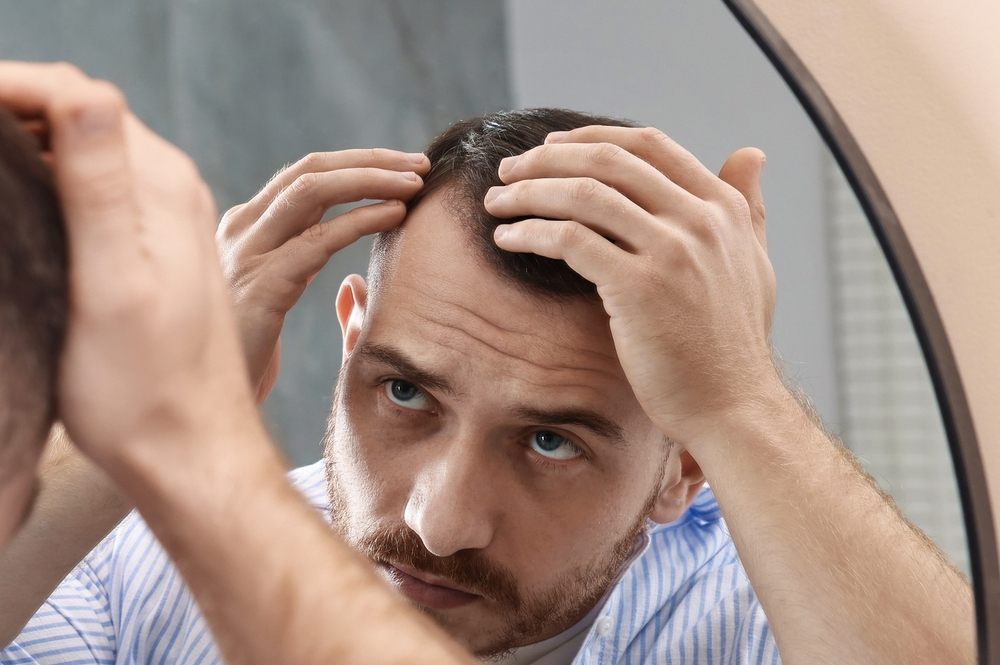
Finding more hair on your pillow, or noticing that your part looks wider than it did a year ago, is unsettling. It is also common, and it usually leads to one question: what actually works? For a growing number of people, the answer they start researching is PRP for hair loss.
PRP uses a concentrated portion of your own blood. It has a real and growing body of research behind it, and it also has real limits.
Key Takeaways
- PRP is your own blood, concentrated. Platelet-rich plasma is injected into thinning areas of the scalp, and the research points to improved hair density rather than a cure for hair loss.
- Candidacy matters most. PRP injections tend to work best for early to moderate thinning where follicles are still active. Long-standing hair loss, certain underlying conditions, and blood thinners can limit the benefit.
- There is no universal schedule. A common framework is about three sessions one month apart, followed by maintenance every few months, with your clinician adjusting the plan to you.
- Expect gradual change. Improvement is usually assessed at three to six months, results vary from person to person, and gains tend to fade without maintenance.
- PRP has the deeper research. The FDA states that no exosome products are currently approved, and the clinical evidence for exosomes in hair loss is still limited.
What Is PRP for Hair Loss and How Does It Work?
Platelet-rich plasma (PRP) is made from your own blood. During an appointment, a small sample is drawn from your arm and spun in a centrifuge to separate its components. The layer that holds a concentrated amount of platelets is collected and injected into the areas of your scalp where hair is thinning.
Platelets carry growth factors, which are proteins involved in healing and cell signaling. Researchers believe those growth factors help prolong the growing phase of the hair cycle.
You will also hear this procedure called PRP hair treatment or simply PRP injections. These terms describe the same basic approach, and some clinicians add microneedling to the session. PRP sits within regenerative medicine, a category of care built around supporting the body's own repair processes.
Two regulatory points are worth understanding. The FDA has cleared devices used to prepare PRP, but using PRP for hair growth is considered off-label. And the only medications the FDA has approved for hereditary hair loss are minoxidil and finasteride, as a recent clinical trial report points out.
PRP is best viewed as an option to discuss with a doctor, often alongside proven basics, rather than a replacement for them.
PRP Hair Treatment: Who Is a Good Candidate?
Candidacy comes down to one question: are your follicles still working? According to Cleveland Clinic dermatologist Shilpi Khetarpal, MD, PRP works best when hair loss is recent and thinning is mild to moderate, because follicles that are still active can respond. Longstanding hair loss is harder, since follicles that have been dormant for years are tougher to wake up.
Pattern hair loss (androgenetic alopecia) in men and women is the condition with the most research behind PRP. Other causes of shedding, such as stress, illness, or thyroid problems, need their own evaluation. That is a major reason a medical assessment should come before any injections.
| Factor | Usually more favorable | Usually less favorable |
|---|---|---|
| Duration | Recent hair loss | Long-standing hair loss |
| Degree of thinning | Mild to moderate | Advanced thinning or complete baldness |
| Underlying conditions | None identified | Thyroid disease or lupus, which can keep driving hair loss |
| Medications | No blood thinners | Blood thinners, which can reduce how well platelets work |
Your medical history, current medications (including any GLP-1 side effects you are managing), and goals all feed into this decision. The most honest answer to “am I a candidate?” comes from an in-person evaluation, not from an article.
How Many PRP Sessions Do You Need?
There is no single, universally accepted PRP schedule. The schedule depends on genetics, hair loss pattern, amount of loss, age, and hormone levels, which can be checked through lab work such as low testosterone testing for men. Your clinician sets the plan after evaluating you.
| Phase | Typical timing | Purpose |
|---|---|---|
| Initial series | About once a month for three months | Start the response in thinning areas |
| Progress check | Around three months after starting | Review changes with your clinician |
| Maintenance | Every three to four months, adjusted to you | Help sustain any gains |
A visit generally follows a rhythm. Your blood is drawn and processed, and the PRP is injected across the thinning areas, usually after a numbing step to keep you comfortable. Expect maintenance to be part of the plan. PRP treatments may need to be repeated to remain effective, which is why maintenance is built into most plans.
What Results Can You Expect From PRP Injections?
Hair grows slowly, so patience is part of the process. Improvement generally takes about three to six months to show.
The research is encouraging, with caveats. A 2023 meta-analysis of nine randomized controlled trials covering 238 patients found that PRP increased hair density at three and six months compared with placebo, and no serious adverse reactions were reported. The same analysis found no significant difference from placebo in hair count or hair diameter.
A larger 2024 analysis pooling 13 randomized trials found an average gain of 27.5 hairs per square centimeter. The studies varied widely, however, and the authors called for higher-quality trials to strengthen the evidence.
In plain terms, PRP may make thinning areas look fuller and may reduce shedding for some people. It is unlikely to restore a completely bald area; it does not cure pattern hair loss, and some people do not respond.
Side effects are usually mild. The most common are discomfort at the injection sites, headaches, itching, and temporary shedding. Because PRP comes from your own blood, serious complications are rare. It is still reasonable to ask which system your clinic uses to prepare PRP, how its regenerative PRP protocols work, and whether it is FDA-cleared.
PRP vs. Exosomes for Hair Loss: What Is the Difference?
Side effects are typically mild, including temporary pain, headaches, itching, or shedding. Serious complications are rare since PRP uses your own blood. Always verify if your clinic uses FDA-cleared preparation systems, a precaution that applies to other injectables like glutathione injections and IV therapy.
| PRP | Exosomes | |
|---|---|---|
| Source | Your own blood | Lab-processed from donor cells or other sources |
| What it contains | Platelets and their growth factors | Cell-derived vesicles carrying signaling molecules |
| FDA status | Preparation devices cleared; use for hair loss is off-label | No FDA-approved exosome products |
| Research for hair loss | Multiple randomized trials and meta-analyses | Small, varied studies; reviews call for larger trials |
| Main concerns | Variable preparation and variable results | Product consistency, regulatory status, and serious adverse events reported in dermatology overall |
The FDA is direct on this point: there are currently no FDA-approved exosome products. Its 2019 safety notification followed reports of serious adverse events in patients treated with unapproved exosome products.
On the research side, a 2025 review in Dermatologic Surgery found only nine clinical studies relevant to alopecia. Side effects were rare in those studies, but the authors called for larger trials, consistent manufacturing standards, and regulatory oversight.
PRP has the deeper clinical track record, while exosomes remain investigational. If any clinic offers exosomes, ask what the product is, where it comes from, and what its regulatory status is. The FDA itself advises patients to ask whether the agency has reviewed the treatment.
Questions to Ask Before You Start PRP Injections
A good consultation should leave you with clear answers to these:
- What is causing my hair loss, and has anything else been ruled out?
- Which system prepares the PRP, and is it FDA-cleared?
- How many sessions do you recommend, and what does maintenance look like?
- How will progress be tracked, and when will it be time to decide whether PRP is working?
Clear, specific answers are a good sign. Vague promises about guaranteed regrowth are not.
Frequently Asked Questions About PRP for Hair Loss
How should you prepare for a PRP hair treatment appointment?
Your clinician may ask you to skip hair products that day and to pause certain medications or supplements, such as NSAIDs, beforehand. Tell your clinician about any supplements or cellular detoxification protocols you follow, since they can include oral binders and IV infusions. Never stop a prescribed medication on your own. Check with your clinician first.
What should you expect in the days after PRP injections?
Aftercare varies by clinic, so follow your clinician’s instructions. Many people can style their hair gently and return to light exercise within a day or so, while strenuous workouts and NSAIDs are often limited for a time. Report significant pain, swelling, or signs of infection.
Can women get PRP for thinning hair?
Yes, PRP is studied in both men and women. Research in female pattern hair loss has reported improved hair density, but larger studies are still needed. A medical evaluation can help determine whether it suits you.
Is PRP a replacement for a hair transplant?
Usually not. Surgery is generally better suited to restoring density in areas of significant loss, while PRP is often used for thinning hair or alongside other treatments. Results vary with either option and are not guaranteed.
Does insurance cover PRP injections for hair loss?
Usually not, since PRP for hair loss is generally considered cosmetic. Costs vary by clinic, so ask for an estimate of the full course, including maintenance, before you begin.
Ready to Find Out if PRP for Hair Loss Fits Your Goals?
If you are weighing PRP for hair loss, the first step is learning whether it makes sense for your situation. At OVI Wellness, our licensed medical team offers PRP as part of our regenerative medicine services. A plan is made only after a visit and only if it is clinically appropriate, and results vary and are not guaranteed.
Schedule a consultation with OVI Wellness today to discuss your personalized PRP treatment plan.
Disclaimer
This article is for educational purposes only and is not medical advice. Hair loss has many causes, and treatment decisions should be made with a licensed healthcare professional who knows your health history.
Sources
Cleveland Clinic. (2026, October 29). Can platelet-rich plasma help with hair loss? Health Essentials. https://health.clevelandclinic.org/hair-loss-got-you-down-platelet-rich-plasma-may-regrow-it
Kieling, L., Konzen, A. T., Zanella, R. K., & Valente, D. S. (2024). Is autologous platelet-rich plasma capable of increasing hair density in patients with androgenic alopecia? A systematic review and meta-analysis of randomized clinical trials. Anais Brasileiros de Dermatologia. https://doi.org/10.1016/j.abd.2024.01.002
Nilforoushzadeh, M. A., Roohaninasab, M., Behrangi, E., Jafarzadeh, A., Nouri, M., Zare, S., & Zare, S. (2025). Phase I clinical trial: Evaluating the efficacy, safety, and patient satisfaction of platelet-rich plasma (PRP) injections and microneedling for androgenetic alopecia treatment. Journal of Cosmetic Dermatology. https://doi.org/10.1111/jocd.70408
Paichitrojjana, A., & Paichitrojjana, A. (2022). Platelet rich plasma and its use in hair regrowth: A review. Drug Design, Development and Therapy, 16, 635-645. https://doi.org/10.2147/DDDT.S356858
U.S. Food and Drug Administration. (2019, December 6). Public safety notification on exosome products. https://www.fda.gov/vaccines-blood-biologics/safety-availability-biologics/public-safety-notification-exosome-products
Zhang, X., Ji, Y., Zhou, M., Zhou, X., Xie, Y., Zeng, X., Shao, F., & Zhang, C. (2023). Platelet-rich plasma for androgenetic alopecia: A systematic review and meta-analysis of randomized controlled trials. Journal of Cutaneous Medicine and Surgery, 27(5), 504-508. https://doi.org/10.1177/12034754231191461